Blake Müller · 11 September 2026
Strategies for Cultivating Engaged Reader Bases in Standalone Digital Publishing Ventures
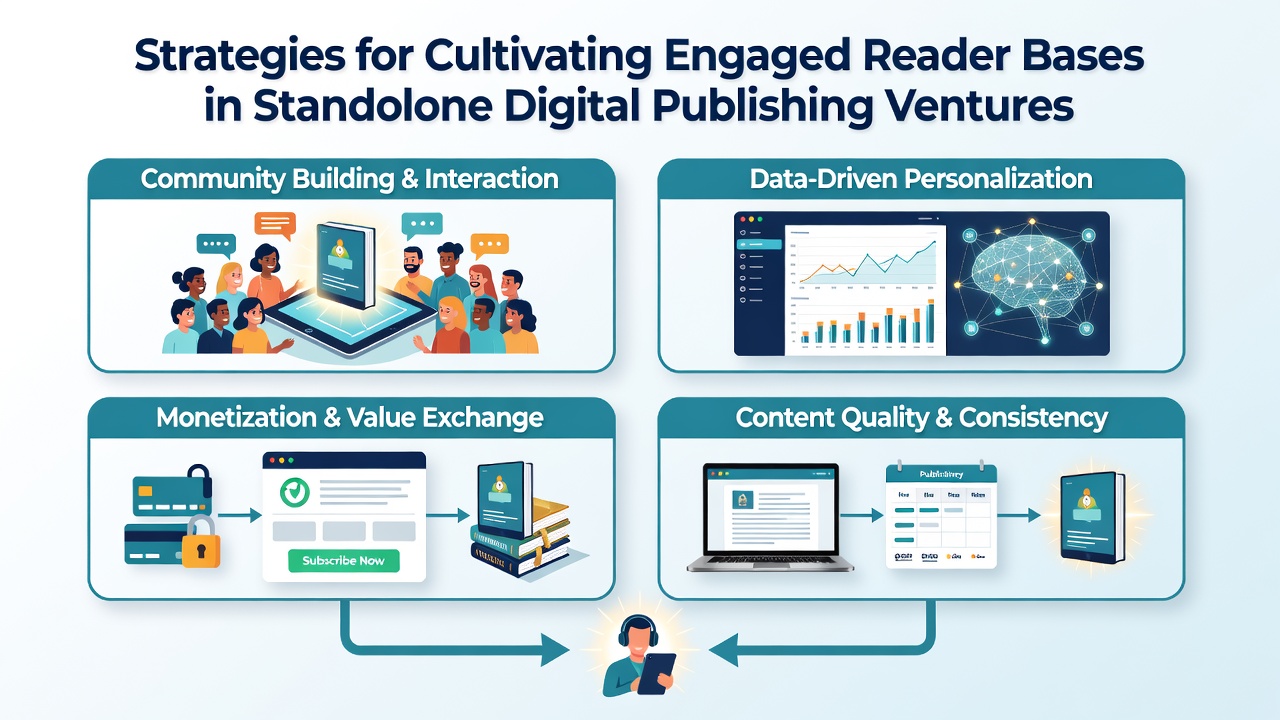
Standalone digital publishing ventures operate without major platform backing yet they build loyal audiences through targeted approaches that combine consistent content delivery with direct audience interaction. Those who manage independent sites track reader behavior using built-in analytics tools, and data from the Pew Research Center indicates that 52 percent of online news consumers prefer sites with personalized email updates over social media feeds alone. Researchers have observed that ventures succeeding in this space maintain regular publishing schedules while experimenting with formats such as newsletters, audio summaries, and interactive polls that encourage repeat visits.
Establishing Direct Communication Channels
Independent publishers prioritize owned channels like email lists and mobile notifications because these reduce reliance on algorithm changes that can limit visibility overnight. One study from the Reuters Institute for the Study of Journalism found that email subscribers generate higher engagement rates than social media followers across multiple regions, with open rates averaging 25 percent when messages include exclusive updates or behind-the-scenes details. Ventures often segment their lists based on reader preferences gathered through simple signup forms, and this practice allows for tailored content that keeps open rates stable even as overall digital noise increases into September 2026.
Utilizing Reader Data for Content Refinement
Analytics platforms integrated into standalone sites provide metrics on time spent per article, scroll depth, and return frequency, which guide editorial decisions without guesswork. Observers note that publishers reviewing these figures weekly adjust topics toward areas showing sustained interest, such as in-depth series on local policy changes or industry trends. Data shows that sites incorporating reader polls into articles see comment sections grow by 30 percent on average, creating organic discussion threads that attract new visitors through search and shares.
Community features add another layer, including member forums or private groups hosted on the publisher's own domain. These spaces let readers connect around shared interests while the publisher maintains control over the environment and data. Experts tracking media consumption patterns report that ventures offering tiered memberships, where paid supporters access early content or live sessions, achieve retention rates above 70 percent after the first year according to industry benchmarks compiled across North American and European operations.

Cross-Promotion and Partnership Tactics
Collaborations with complementary independent sites expand reach through guest posts and joint events that introduce each audience to the other's work. Publishers track referral traffic from these partnerships and reinvest in the most productive relationships, which often involve shared thematic focus rather than broad swaps. Statistics Canada figures on digital media habits reveal that 41 percent of readers discover new standalone publications through recommendations from trusted sources, underscoring the value of targeted network building over mass outreach.
Adapting to Platform Shifts and Emerging Tools
Standalone ventures monitor changes in search algorithms and browser policies that affect traffic sources, then diversify by testing new formats like short video embeds or interactive data visualizations. As September 2026 approaches, observers expect continued emphasis on privacy-compliant tracking methods following updates from regulatory bodies in the European Union and Australia. Ventures that implement first-party data collection early maintain clearer insights into reader preferences, allowing content strategies to evolve alongside audience expectations without external dependencies.
Measuring Long-Term Retention Outcomes
Retention metrics such as repeat visit frequency and subscription renewal rates serve as primary indicators of success for these publishing models. Publishers compare these numbers against industry reports from academic sources like the University of Oxford's Reuters Institute, which highlight that consistent value delivery through specialized coverage correlates with higher lifetime reader value. Those running successful sites review churn patterns quarterly and introduce adjustments such as seasonal content calendars or reader appreciation events to sustain momentum.
Conclusion
Effective strategies for reader engagement in standalone digital publishing center on owned channels, data-informed decisions, and community features that together create resilient audience relationships. Ventures applying these methods report steady growth even amid broader platform volatility, with outcomes documented across multiple international studies and statistical collections. Continued adaptation based on verified metrics positions these operations to maintain relevance as digital habits shift through the coming years.